Best Wood Species for Kitchen Cabinets
Choosing kitchen cabinets involves more than finding a door style or finish you love. The wood species you select can influence the cabinetry’s color, grain pattern, overall character, and appearance as it ages.
Some woods have a smooth, consistent grain that works beautifully in contemporary kitchens. Others feature bold patterns, knots, mineral streaks, and noticeable color variation that add warmth and personality. Understanding these differences can help you select cabinetry that complements both your design preferences and the way you want your kitchen to feel.
What to Know About Wood Kitchen Cabinets
Before comparing wood species, it is important to understand how high-quality cabinetry is constructed.
The phrase “wood cabinets” does not necessarily mean that every part of the cabinet is made from solid hardwood. Depending on the manufacturer and product line, cabinetry may combine solid wood, hardwood veneers, furniture-grade plywood, and engineered materials.
Solid wood is frequently used for cabinet doors, drawer fronts, face frames, moldings, and decorative details. Plywood or other stable engineered materials may be used for cabinet boxes, backs, shelves, and interior components.
This combination is not automatically a sign of lower quality. In many applications, plywood and engineered materials provide excellent strength and dimensional stability. The overall performance of cabinetry depends on the quality of its construction, joinery, hardware, finish, installation, and materials—not simply whether every component is solid wood.
Natural Wood Variation Is Part of the Design
No two trees grow exactly alike, which means no two pieces of natural wood will look identical. Grain patterns, color variations, mineral streaks, knots, and other markings are normal characteristics rather than defects.
The final appearance can also change depending on the cut of the lumber, the placement of each board, and the stain or finish applied. Some finishes create a more consistent appearance, while clear or lightly stained finishes highlight more of the wood’s natural variation.
Homeowners who prefer an organic, one-of-a-kind look often appreciate these differences. Those seeking a highly uniform painted finish may prefer a fine-grained wood or an engineered material specifically designed for paint.
Popular Wood Species for Kitchen Cabinets
White Oak Cabinets
White oak has become a popular choice for homeowners who want natural warmth without the reddish undertones associated with some traditional oak cabinetry.
Its visible grain gives cabinets texture and movement, while its neutral coloring works well with a wide variety of design styles. Depending on the door style and finish, white oak cabinetry can feel modern, transitional, European-inspired, rustic, or traditional.
White oak may be flat-sawn, quarter-sawn, or rift-sawn. Each cutting method produces a different grain appearance. Rift-sawn white oak is especially popular in streamlined kitchens because of its straighter, more consistent grain.
White oak looks beautiful with natural, light, or medium stains that allow its grain to remain visible.
Red Oak Cabinets
Red oak is known for its strength, durability, and prominent grain pattern. Its natural color typically includes warm pink, reddish, or golden undertones.
Although red oak is often associated with traditional kitchens, updated stains and simplified cabinet doors can give it a more current appearance. It remains a practical choice for homeowners who appreciate visible grain and natural variation.
Because red oak has an open, pronounced grain, the texture may remain visible beneath painted finishes. Homeowners who want an especially smooth painted surface may prefer another material.
Maple Cabinets
Maple is a durable hardwood with a generally smooth texture and a fine, subtle grain. Its natural color can range from creamy white to pale yellow or light reddish brown.
The understated grain makes maple a versatile option for transitional and contemporary kitchens. It can be finished naturally, stained in a wide range of colors, or painted.
Maple may contain mineral streaks, small knots, bird’s-eye figuring, or areas of darker heartwood. Because maple is dense and has a close grain, some stains can absorb less evenly than they do on open-grained woods. A professionally applied finish helps create a more balanced appearance.
Cherry Cabinets
Cherry is prized for its smooth grain, warm color, and rich appearance. Freshly finished cherry may range from pale pinkish brown to reddish brown, but its color naturally deepens with age and exposure to light.
That gradual change is one of cherry’s defining characteristics. Cabinet doors that receive different amounts of sunlight may temporarily darken at different rates before becoming more balanced over time.
Cherry cabinetry is often used in traditional interiors, but simple door styles and understated finishes can also give it a refined contemporary look. Its natural color variation, gum pockets, mineral streaks, and small knots contribute to its distinctive character.
Hickory Cabinets
Hickory is one of the hardest domestic woods commonly used for cabinetry. It is especially recognizable for its dramatic color variation, which may range from creamy white sapwood to medium or dark brown heartwood within the same cabinet door.
Its strong grain, knots, mineral streaks, and contrasting colors make hickory a highly expressive choice. While it works especially well in rustic, farmhouse, lodge, and craftsman-style kitchens, it can also create an eye-catching contrast in a more modern design.
Hickory is available in custom and semi-custom cabinetry, although its bold appearance is not ideal for homeowners who want every cabinet door to look uniform.
Walnut Cabinets
Walnut is valued for its deep brown coloring and elegant grain. Its tones may include chocolate brown, gray-brown, purplish brown, and lighter areas of sapwood.
Because walnut already has a naturally rich color, it is often finished with a clear or lightly tinted coating rather than a heavy stain. This allows the wood’s depth and movement to remain visible.
Walnut complements modern, transitional, and traditional interiors. It is often used throughout a kitchen or as an accent on an island, range hood, beverage center, or built-in cabinet.
Unlike cherry, which generally darkens over time, walnut may become somewhat lighter and warmer as it ages and is exposed to sunlight.
Alder Cabinets
Alder has a relatively straight, even grain and a warm natural color that ranges from pale yellow to light reddish brown. It accepts many stains well and can be finished to resemble richer, darker woods.
Clear alder offers a more consistent appearance, while rustic or knotty alder includes knots, cracks, and other visible markings. Knotty alder is often used in rustic and Old World-inspired kitchens, but cleaner door styles can make alder suitable for transitional interiors as well.
Alder is softer than woods such as maple, oak, and hickory, so it may develop dents or marks more readily in a busy household. Some homeowners view this aging as part of the wood’s natural character.
Birch Cabinets
Birch is a light-colored hardwood with a smooth, generally fine grain. Its appearance can resemble maple, although birch often includes greater color variation between pale sapwood and darker heartwood.
Birch may be used for cabinet doors, interior components, plywood, and veneers. It can be painted, stained, or finished naturally, although darker stains may emphasize differences in color and grain.
Its clean appearance makes birch adaptable to many kitchen styles, particularly when paired with simple recessed-panel or slab-style doors.
Ash Cabinets
Ash is a strong, light-colored hardwood with a visible grain pattern that may resemble oak. Contrary to the description sometimes given to it, ash does not have “very little” grain. Its grain can be straight, open, and quite distinctive.
Natural ash cabinetry has a bright, airy appearance that works especially well in modern and Scandinavian-inspired spaces. It also accepts stains, allowing its grain to remain visible under a variety of tones.
Ash may be less commonly offered than oak or maple, so availability will depend on the cabinetry manufacturer and product line.
Pine Cabinets
Pine is a softwood rather than a hardwood. Its pale yellow or creamy color, visible knots, and relaxed character make it a natural fit for cottage, farmhouse, French country, and rustic kitchens.
Because pine is softer than most hardwood cabinet species, it is more susceptible to dents and scratches. However, those marks can blend naturally into a distressed, antiqued, or timeworn finish.
Homeowners considering pine should be comfortable with cabinetry that develops additional character through everyday use.
Common Characteristics Found in Cabinet Wood
Natural markings vary by species and may become more or less noticeable depending on the chosen finish.
Heartwood and Sapwood
Heartwood is the older wood near the center of the tree and is often darker. Sapwood is the younger, lighter-colored wood closer to the bark. The contrast between the two can create noticeable color variation, particularly in hickory, walnut, cherry, and alder.
Mineral Streaks
Mineral streaks are darker lines or areas that generally follow the grain. Their color can range from gray and olive to brown or nearly black. They are common in several wood species and may become more noticeable after staining.
Knots
Knots form where branches grew from the tree. Their size, color, and appearance vary. Sound knots remain solid and intact, while rustic cabinetry may intentionally include more prominent knots and related markings.
Bird Pecks
Bird pecks are small marks caused by birds pecking the tree while it was growing. The tree’s natural healing process can create darker areas around the marks.
Burls and Figuring
Burls, curls, bird’s-eye patterns, and other forms of figuring occur when the grain grows in an unusual pattern. These features create decorative swirls, waves, or clusters within the wood.
Gum Pockets and Streaks
Gum pockets or streaks are naturally occurring marks commonly associated with cherry. They may appear as darker lines or small areas within the grain.
Pinholes and Wormholes
Small holes may appear naturally in certain rustic wood grades. Cabinet manufacturers typically establish guidelines for the size and number of these markings permitted in a particular product line.
Are Painted Cabinets Made From Natural Wood?
Painted cabinet doors may be constructed from maple, poplar, MDF, or a combination of materials.
MDF is often used for painted center panels or complete doors because it creates a smooth, consistent surface. It also expands and contracts differently than solid wood, which can help reduce the appearance of certain joints beneath the paint.
Solid wood remains a good choice for painted cabinet frames and door components, but natural grain, seams, and movement may become visible as the cabinetry responds to changes in temperature and humidity. This is normal for painted wood cabinetry and does not necessarily indicate a problem with the finish.
How to Choose the Best Wood for Your Kitchen Cabinets
There is no single wood species that is best for every kitchen. The right selection depends on the appearance, finish, maintenance expectations, and level of natural variation you prefer.
Consider these questions during the selection process:
Do you prefer a subtle grain or a bold grain pattern?
Are you comfortable with noticeable differences between cabinet doors?
Do you want the wood to remain light or deepen in color over time?
Are you planning to use a natural finish, stain, or paint?
Do you want a sleek, uniform appearance or a more organic look?
How will the cabinet finish coordinate with your flooring, countertops, lighting, and other wood tones?
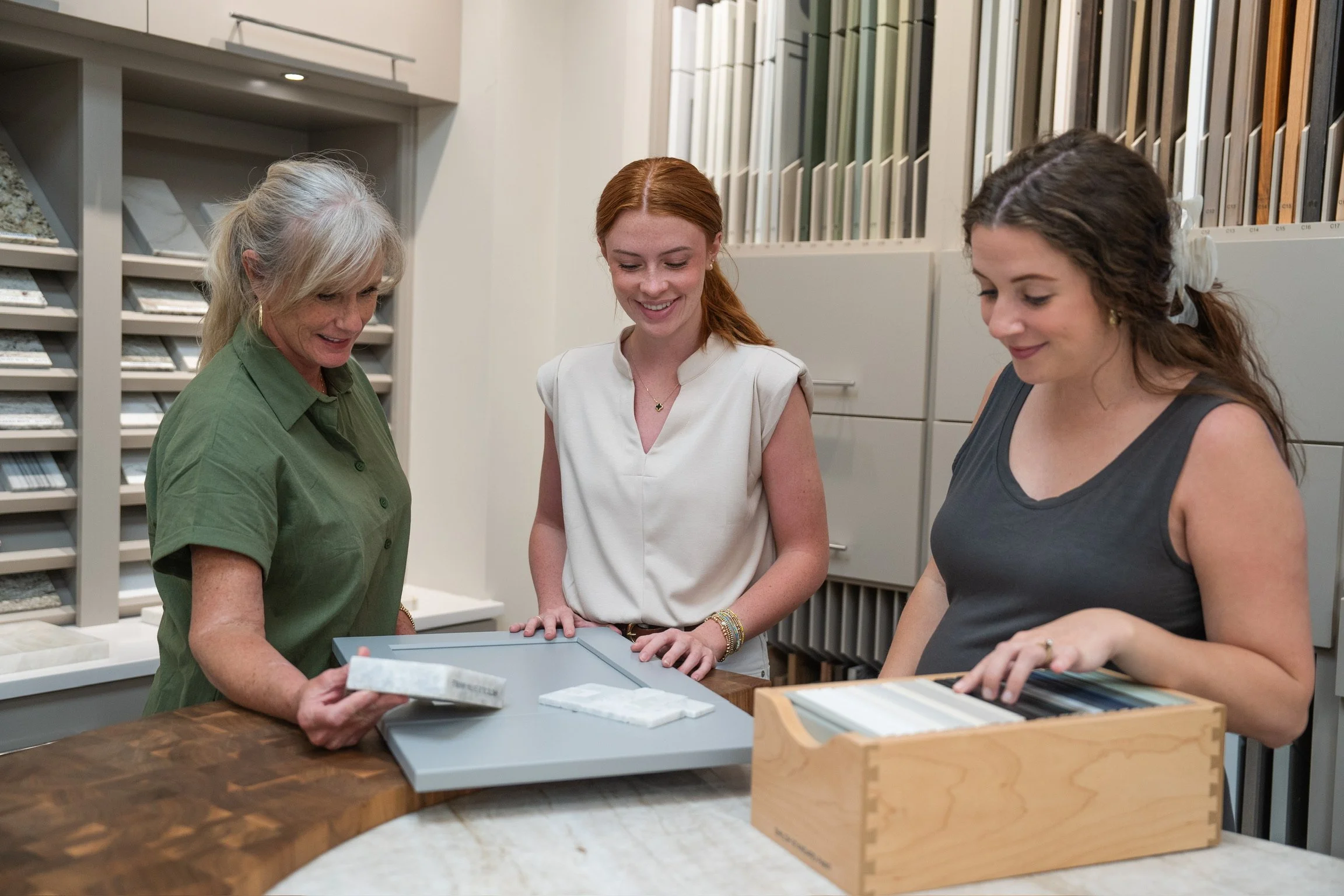
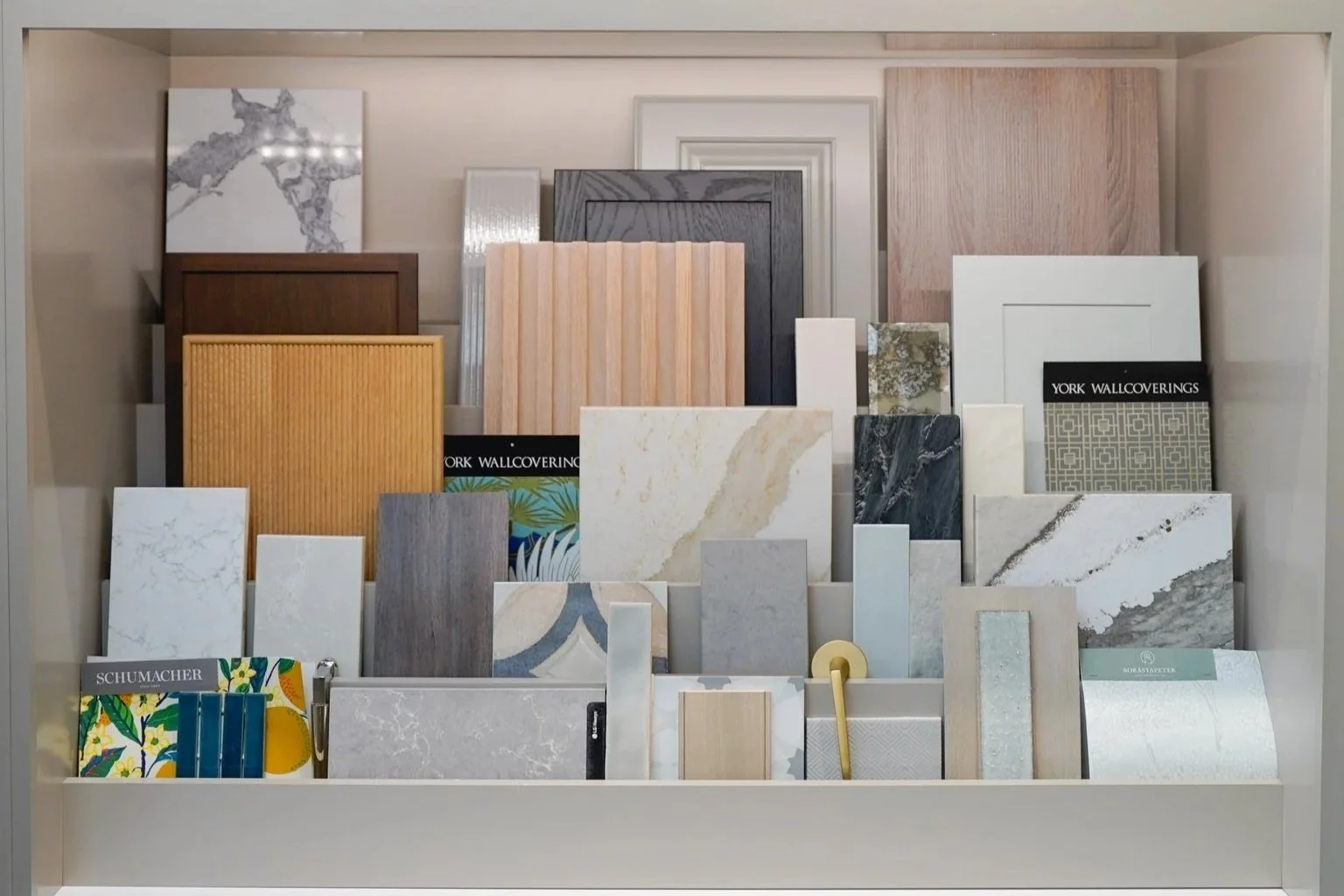
Small finish samples are helpful, but they cannot show every variation that may appear across an entire kitchen. Viewing full-size cabinet doors and completed kitchen installations can provide a more realistic understanding of the finished appearance.
Explore Custom Cabinetry With Toulmin Kitchen & Bath
The wood species is only one part of selecting cabinetry that will serve your household for years. Construction quality, storage design, hardware, finish performance, and professional installation are equally important.
At Toulmin Kitchen & Bath, our designers help homeowners compare cabinet styles, materials, finishes, and functional features while creating a kitchen that feels cohesive and personal. Visit our Tuscaloosa or Mountain Brook design studio to explore cabinetry options and see wood and finish samples in person.
Schedule a consultation to begin planning custom cabinetry for your Alabama home.
More Design Inspiration You Will Love!