
A long soak in a warm bath can be one of the best ways to relax at the end of a busy day. If you're planning a bathroom remodel in Tuscaloosa, Birmingham, Mountain Brook, or a nearby Alabama community, a freestanding tub can also become a beautiful focal point, giving your bathroom a more luxurious, spa-inspired feel.
At Toulmin Kitchen & Bath, we help homeowners create bathrooms that balance beauty, comfort, and everyday functionality. From custom bathroom cabinetry and vanities to tile, lighting, plumbing fixtures, and space planning, every element should work together—and your bathtub is no exception.
If you're considering a freestanding tub for your bathroom renovation, start with three key factors: size, style, and material.
1. Choose the Right Freestanding Tub Size
Before falling in love with a particular tub, make sure it fits your bathroom's size and layout.
If you're planning a complete bathroom remodel, a professional bathroom designer can help determine the best location and dimensions for the tub while considering the rest of the room. If you're replacing an existing bathtub without significantly changing the layout, accurate measurements are especially important.
Beyond the tub's dimensions, consider:
Doorway and hallway clearances
Stairways and other access points
Space around the tub for comfortable movement and cleaning
Floor support requirements
Plumbing and drain locations
Faucet placement
The overall bathroom layout
These details can make the difference between a tub that simply fits and one that feels like it was designed specifically for the room.
If you're still in the early stages of planning, our guide to preparing for a new bathroom design and remodel can help you think through your priorities before making major selections.
Consider How You'll Use Your Tub
A beautiful bathtub should also be comfortable and practical for the people who will use it. Before choosing one, ask yourself:
Will the tub primarily be used for long, relaxing soaks?
Do you prefer a deeper soaking experience?
Would you like air jets or other therapeutic features?
Will more than one person use the tub?
Is getting in and out of a deeper tub comfortable for you?
How important is easy cleaning and maintenance?
Freestanding tubs come in extra-deep, extra-long, extra-wide, two-person, and compact configurations, so no single size fits every bathroom.

2. Find a Tub Style That Complements Your Bathroom
A freestanding tub naturally draws attention, which means its shape and style can influence the look of the entire bathroom.
Whether you're creating a traditional primary bathroom, a clean contemporary retreat, or a warm transitional space, choose a bathtub that complements your cabinetry, tile, countertops, lighting, and plumbing fixtures.
Popular freestanding bathtub styles include:
Slipper tubs: Designed with one or both ends raised for comfortable reclining
Clawfoot tubs: A classic option that adds vintage character and traditional elegance
Pedestal tubs: Freestanding designs with a raised base for a more architectural appearance
Japanese soaking tubs: Deeper, often more compact tubs designed for upright soaking
Contemporary soaking tubs: Streamlined designs with simple silhouettes that work beautifully in modern and transitional bathrooms
Not sure which aesthetic fits your home? Check out our guide to finding your bathroom design style in Tuscaloosa and Birmingham for inspiration.
Consider a Freestanding Tub in a Wet Room
One bathroom design option we're seeing more homeowners consider is incorporating a freestanding tub into a wet room. In this layout, the bathtub and shower may share the same waterproofed zone, creating a more open and spa-like space.
Wet rooms can work especially well in luxury primary bathrooms, but they require careful planning for waterproofing, drainage, ventilation, clearances, and material selections.
Learn more about this approach in our guide to wet room bathrooms in Tuscaloosa]

3. Select the Best Bathtub Material
Freestanding tubs come in many materials, each with advantages in appearance, weight, durability, maintenance, heat retention, and cost.
Common options include:
Acrylic: Lightweight, versatile, and relatively easy to maintain
Cast iron: Extremely durable with excellent heat retention, but considerably heavier
Stone resin: Offers a substantial, high-end appearance and good heat retention
Solid surface: Creates a smooth, contemporary look and is available in distinctive shapes and finishes
Copper: A statement-making material that develops character over time
Stainless steel: Durable and distinctive, particularly in contemporary designs
When comparing materials, think about more than appearance. Consider:
Your remodeling budget
Desired look and finish
Heat retention
Cleaning and maintenance
Durability
Tub weight
Floor support requirements
Installation requirements
Some premium freestanding tubs can be quite heavy, especially once they're filled with water and occupied. Your remodeling team should evaluate the installation requirements and determine whether additional structural considerations are necessary.
4. Coordinate Your Tub With the Rest of the Bathroom
A freestanding tub may be the focal point, but it shouldn't feel disconnected from the rest of your bathroom design.
Consider how the bathtub relates to your:
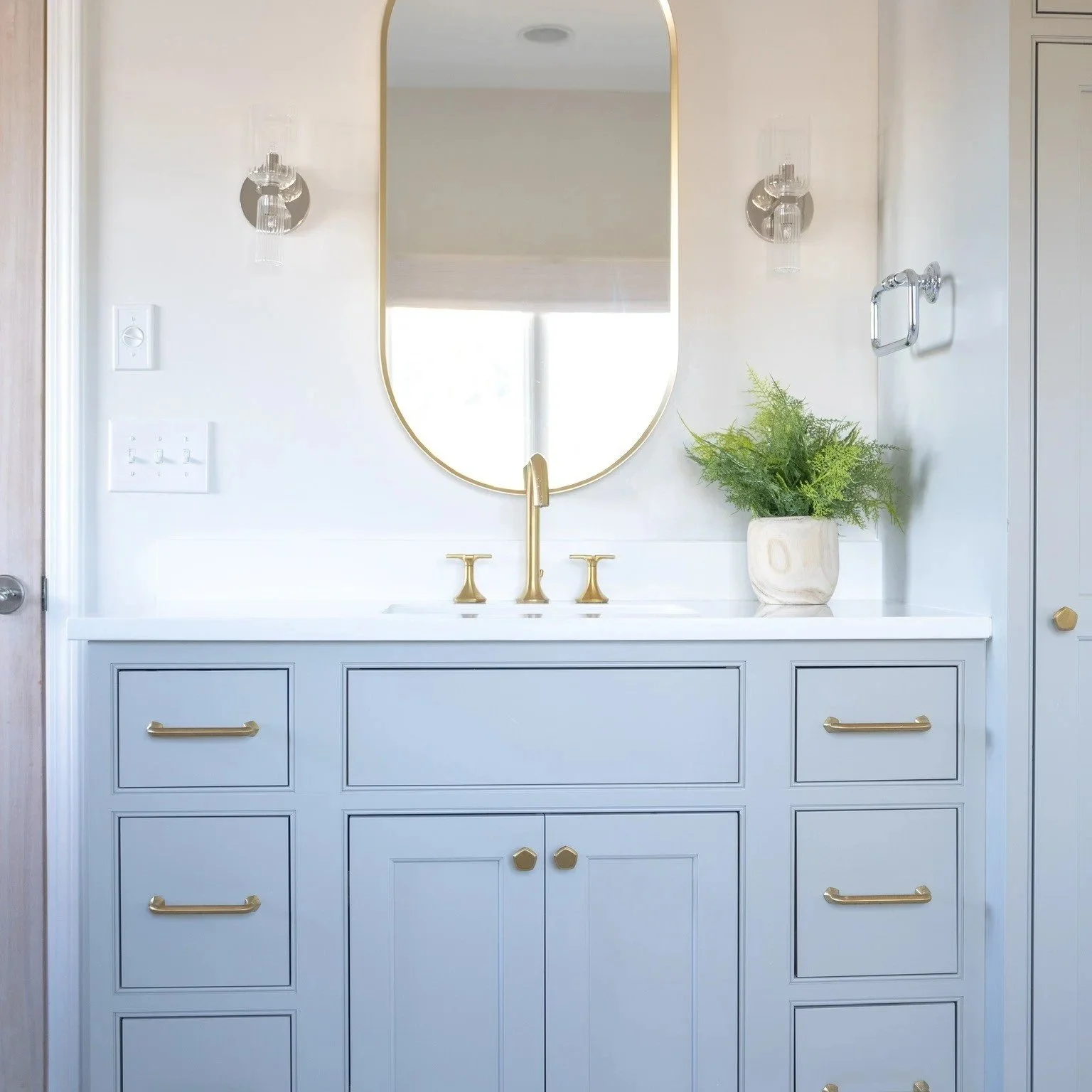
Custom bathroom vanity and cabinetry
Countertops
Shower tile
Flooring
Plumbing finishes
Lighting
Mirrors
Hardware
Storage solutions
Repeating materials, shapes, colors, or finishes throughout the room can help create a more cohesive design.
Custom cabinetry is particularly important because it provides the storage needed to keep a spa-like bathroom looking organized. For more ideas, explore our guide on bathroom cabinetry and vanity trends for Alabama homes.

5. Don't Forget the Tub Filler and Plumbing
The bathtub itself is only part of the selection process. You'll also need to determine how the tub will be filled.
Depending on the bathtub and bathroom layout, your design may include a:
Floor-mounted tub filler
Wall-mounted tub filler
Deck-mounted faucet
Hand shower for added convenience
The location of existing plumbing can affect installation requirements and remodeling costs. That's why it's helpful to consider the tub, faucet, drain, and bathroom layout together rather than selecting each element independently.
Why Work With a Bathroom Design Professional?
Choosing a freestanding tub can quickly become more complicated than picking the style you like best. The tub must work with the room's dimensions, plumbing, structural requirements, cabinetry, tile, lighting, and overall design.
Working with an experienced bathroom remodeling and design team in Tuscaloosa or Birmingham can help ensure these decisions are coordinated from the beginning.
At Toulmin Kitchen & Bath, we help homeowners plan the entire space, including:
Bathroom layouts and space planning
Custom bathroom cabinetry and vanities
Bathtub and plumbing selections
Shower design
Countertops
Tile and flooring
Lighting
Storage
Hardware and accessories
Installation and project coordination
A thoughtful design process helps create a bathroom that doesn't just photograph beautifully—it works beautifully for everyday life.
Frequently Asked Questions About Freestanding Tubs
Are freestanding tubs worth it?
For homeowners who enjoy taking baths and have the appropriate space, a freestanding tub can be a worthwhile addition. It creates a strong visual focal point and can give a primary bathroom a more luxurious, spa-inspired feel. The right choice ultimately depends on your lifestyle, available space, and remodeling priorities.
Do freestanding tubs require more space?
Not always, but the tub needs appropriate clearance around it for comfortable use, cleaning, plumbing, and visual balance. Compact freestanding tubs are available for smaller bathrooms, while larger primary bathrooms may accommodate deeper or wider models.
What is the best material for a freestanding tub?
There isn't one best material for every homeowner. Acrylic is popular because it's relatively lightweight and easy to maintain, while cast iron offers excellent durability and heat retention. Stone resin and solid-surface tubs can provide a substantial, high-end appearance. Your budget, design preferences, floor structure, and maintenance expectations should all influence the decision.
Are freestanding tubs still popular?
Yes. Freestanding tubs continue to work especially well in spa-inspired and luxury primary bathrooms. Current bathroom design is increasingly focused on creating relaxing, personalized spaces, and freestanding soaking tubs can complement that approach beautifully.
Can you put a freestanding tub in a wet room?
Yes. A freestanding tub can be incorporated into a properly designed wet room and is often used alongside a curbless shower to create an open, spa-like environment. Waterproofing, drainage, ventilation, and clearances should all be carefully planned.
What should I consider before installing a heavy freestanding tub?
Tub weight, water weight, and the weight of the person or people using it all matter. Depending on the material and location of the bathroom, the floor structure may need to be evaluated before installation.
Does Toulmin Kitchen & Bath help with complete bathroom remodels?
Yes. Toulmin Kitchen & Bath helps homeowners throughout Tuscaloosa, Birmingham, Mountain Brook, and surrounding Alabama communities plan beautiful, functional bathroom renovations, including space planning, cabinetry, vanities, plumbing selections, tile, lighting, and other design details.
Ready to Design Your Dream Bathroom?
Whether you're planning a complete bathroom remodel or choosing the perfect freestanding tub, Toulmin Kitchen & Bath can help you bring the entire space together.
Our experienced design team can help you evaluate your bathroom layout, select a tub that fits your lifestyle, coordinate custom cabinetry and vanities, and choose tile, lighting, plumbing fixtures, and finishes that make the room feel cohesive and personal.
If you're planning a bathroom remodel in Tuscaloosa, Birmingham, Mountain Brook, or a nearby Alabama community, visit our Tuscaloosa or Mountain Brook studio to begin exploring the possibilities for your home.
Call us at (205) 579-8392 or schedule an appointment online.
More Bathroom Design Inspiration For Your Home!