There’s nothing quite like the excitement of a kitchen remodel—new cabinetry, better flow, elevated finishes. But before the beautiful “after” comes the very real “during.” And if you’re living in your home while the work is happening, that phase can feel… a little chaotic.
The good news? You’re not in this alone. Our team at Toulmin Kitchen & Bath has walked countless homeowners through this process, and we’ve gathered some of our best, real-life tips to help you prepare ahead of time.
With the right approach, you can keep your routine (mostly) intact, stay organized, and even make the experience enjoyable. Keep reading for a complete guide to preparing your home (and your sanity) for a kitchen remodel.

Start Early: The 3-Week Kitchen Packing Rule
One of the biggest mistakes homeowners make? Waiting until the last minute to pack up their kitchen.
We recommend the 3-week rule: start packing at least 21 days before demo day.
This gives you time to:
Pack in stages instead of all at once
Sort through what you actually use (and what you don’t)
Reduce clutter before your new kitchen is installed

Tips: Packing Your Kitchen
Think of this as a reset. Your new kitchen deserves a fresh start.
Take photos of each box’s contents before sealing it—this makes finding things later much easier
Label clearly (and be specific—“utensils” is helpful, “random drawer stuff” is not)
Declutter as you go—donate, toss, or store items you don’t need in your new space
Group items by function, not just by location (coffee-station items together, baking tools together, etc.).
Create a Temporary Kitchen Setup (That Actually Works)
If you’re staying in your home during the remodel, setting up a temporary kitchen is essential.
Where Should It Go?
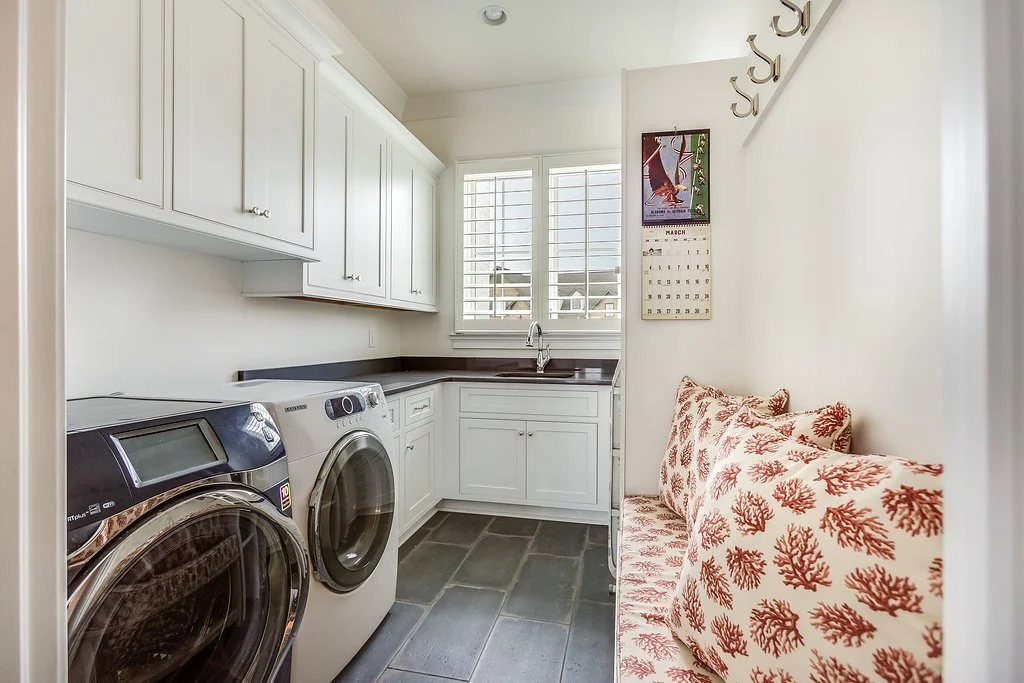
Common spots for a temporary kitchen setup include a laundry room, garage, dining room, or even a spare bedroom.
Choose a space outside of the construction zone with:
Access to water (or a nearby sink)
Separation from dust and debris
Minimal noise disruption
Good airflow and natural light
What To Include In Your Temporary Kitchen
Keep it simple, functional, and easy to clean.
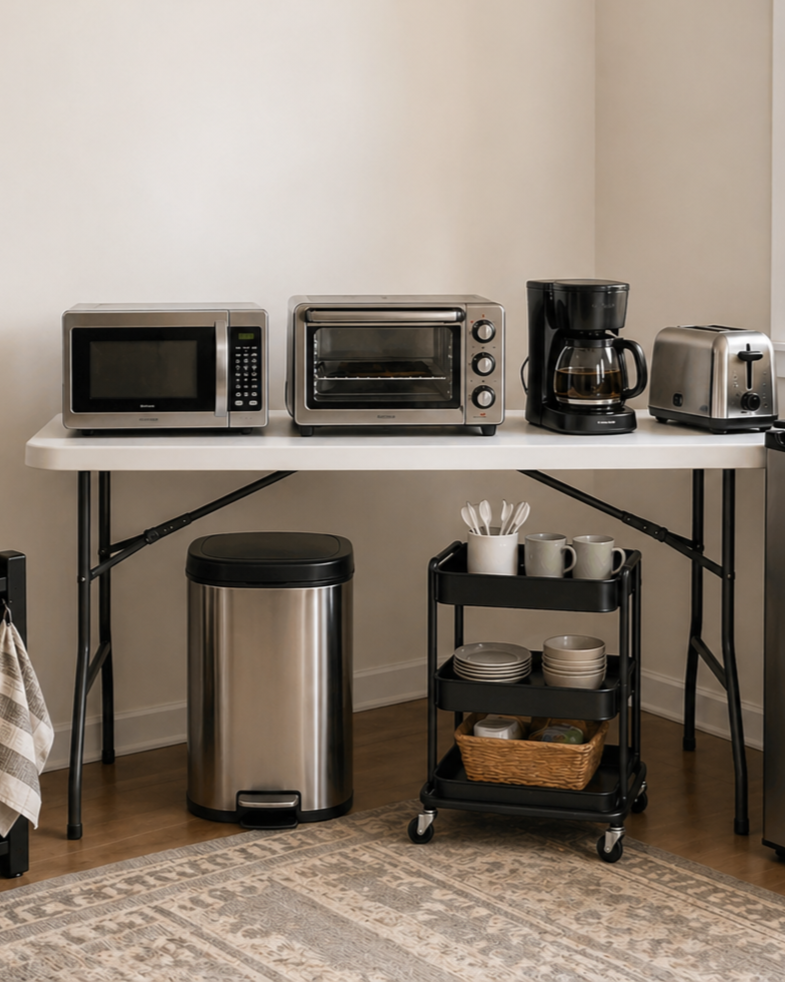
Your setup might include:
Folding table or portable surface
Microwave
Countertop oven or toaster oven
Coffee maker (non-negotiable)
Toaster
Mini fridge or secondary fridge access
Trash can
Don’t Forget to Include a Snack Station
It may not be something you’ve thought about, but having easy access to snacks can make a big difference during busy (and sometimes stressful) days. Make sure to set up a designated area for grab-and-go items like:
Protein bars
Fruit
Chips or crackers
Drinks
Pack a “Kitchen Survival Kit” You Can Actually Access
Not everything should be packed away and stored. Keep a core group of essentials easily accessible throughout the remodel. Store these items in a clearly labeled bin or cabinet, so you’re not digging through boxes every time you need something.
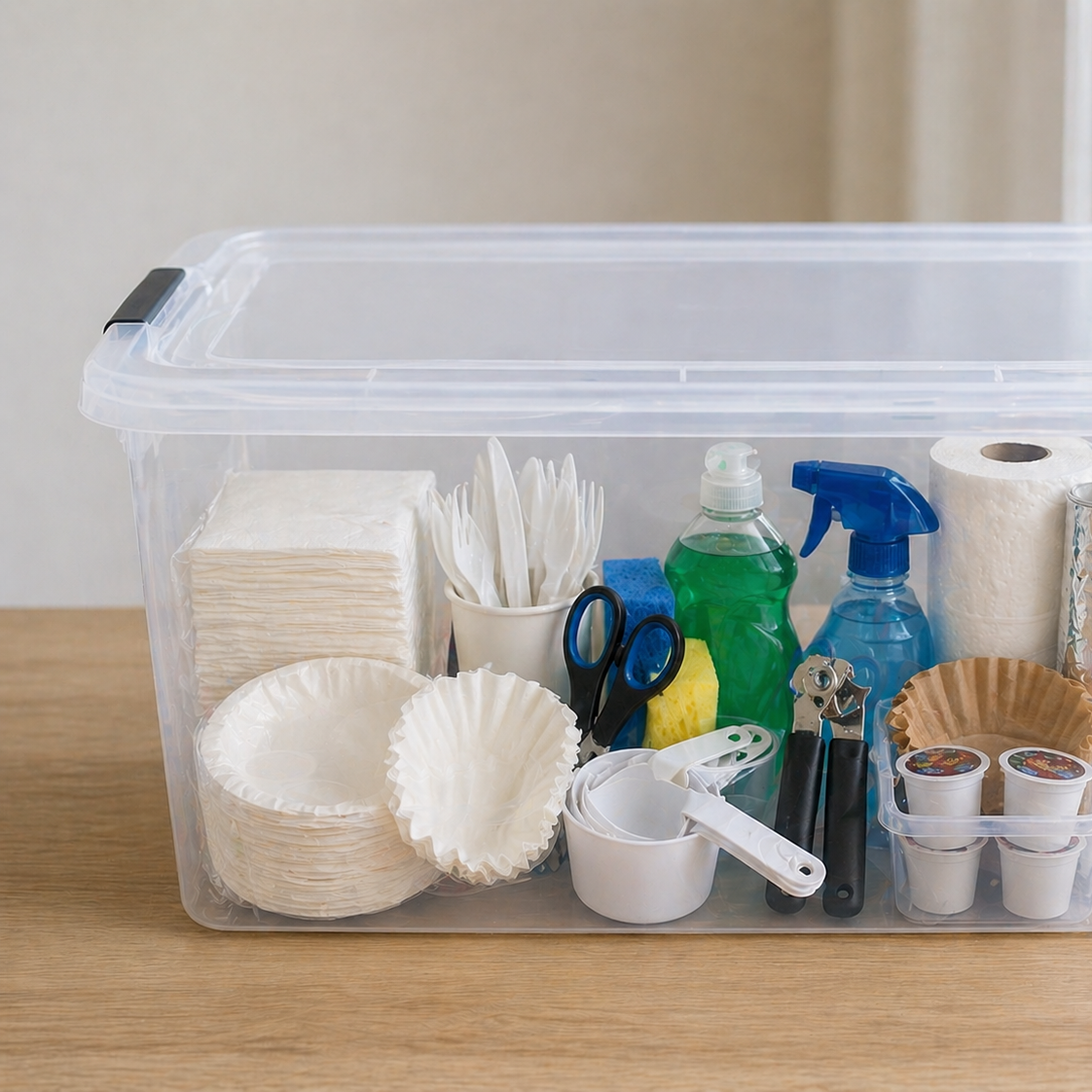
Must-Have Kitchen Items to Keep Within Reach
Crockpot or slow cooker
Air fryer
Microwave
Pitcher (for water or tea)
Paper plates, paper towels, and disposable utensils
Scissors
Sponges and cleaning supplies
Dish soap
Napkins
Plastic wrap and foil
Coffee filters + K-cups or beans
Basic utensils
Measuring cups
Can opener
Smart Cooking Tips During a Kitchen Remodel
Let’s be honest—this isn’t the time to try complicated new recipes. But you can still eat well with a little planning.
1. Meal Prep Ahead of Time
Before construction begins:
Cook and freeze meals in batches
Portion out lunches and dinners
Label everything clearly
2. Lean on Small Appliances
Your crockpot, air fryer, and toaster oven will become your best friends. These can handle everything from full meals to quick snacks without needing a full kitchen.
3. Give Yourself Permission to Simplify
This is a season—not forever. It’s okay to:
Use disposable plates
Order takeout more often
Keep meals simple
4. Embrace Theme Nights
Create a simple weekly rhythm with easy, repeatable meals. It eliminates decision fatigue and keeps things predictable, while giving you a few go-to options to rotate each week.
Give these theme nights a try:

Soup Sunday
Soup is great for batch cooking. Make a large pot in your crockpot and enjoy leftovers throughout the week with minimal effort.

Taco Tuesday
Quick, customizable, and minimal prep. Set out a few toppings and let everyone build their own tacos. A taco bar is perfect for keeping things easy and low-mess.

Wrap Wednesday
Use tortillas or flatbreads to create simple wraps with deli meats, grilled chicken, or veggies—no full kitchen required.
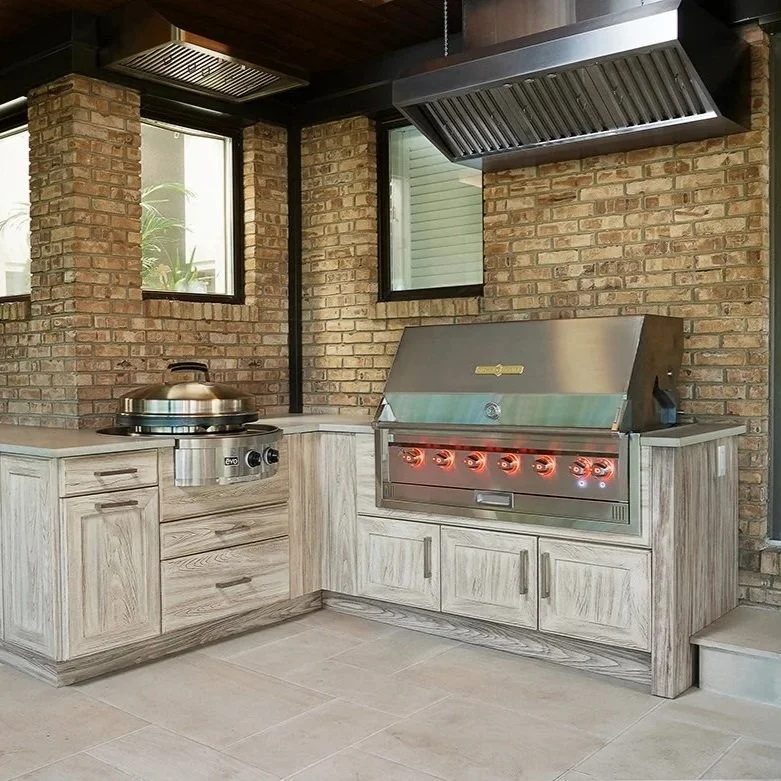
Grill Night
If you have an outdoor grill, use it. Grilled chicken, burgers, veggies, and even foil packet meals can keep dinner feeling normal (and delicious) without needing your kitchen at all.
Plan for the Mess (and Protect the Rest of Your Home)
Even with the best construction team, dust happens. It’s just part of the process. But with a little preparation, you can keep it contained and protect the rest of your home from feeling like a construction zone.
Start by identifying the areas closest to your kitchen and take a few extra steps to shield them:
Seal off adjacent rooms with plastic sheeting or temporary barriers to help limit how far dust travels
Cover furniture, rugs, and flooring near the work area to protect against debris and fine dust
Remove valuables, décor, and breakables from nearby spaces to prevent accidental damage
Create a designated pathway for contractors if possible—this helps reduce traffic (and mess) throughout the rest of your home
It’s also a good idea to plan for air quality during the remodel:
Change your HVAC filters more frequently
Consider using an air purifier in nearby living spaces
Keep windows open when weather allows to improve airflow
And finally, give yourself a little grace when it comes to cleaning. Your home may not feel perfectly tidy during this phase—and that’s okay. Focus on maintaining a few clean, comfortable spaces where you can relax and recharge at the end of the day.
A little upfront effort here makes a big difference in how your home feels during the remodel.
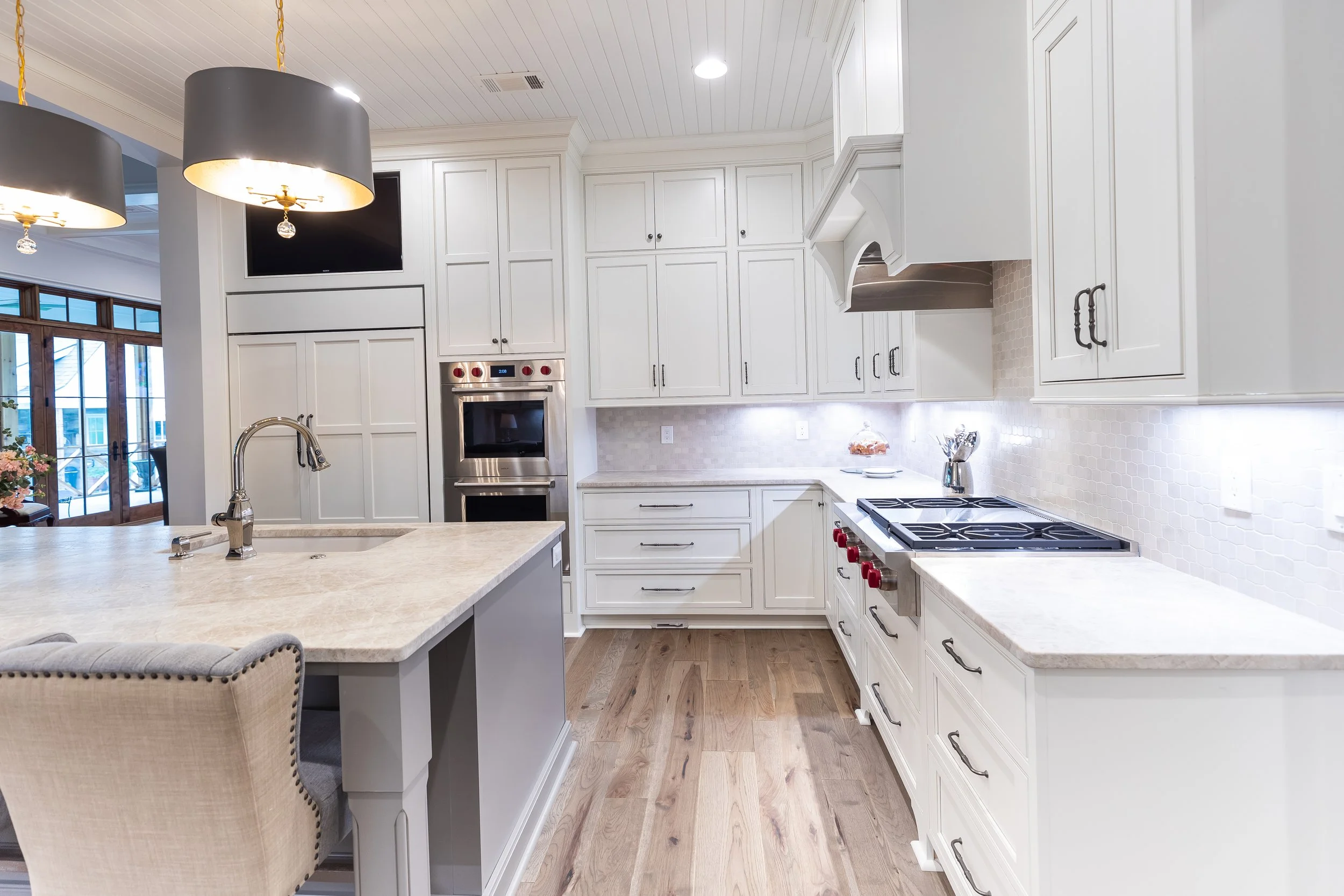
Keep Your Eyes on the End Result
Living through a kitchen remodel takes patience—but it’s temporary. And when it’s done, you’ll have a space that’s more functional, more beautiful, and better suited to how you live every day.
At Toulmin Kitchen & Bath, we guide our clients through every phase of the process—from planning and design to construction and final installation—so you’re never navigating it alone.
Ready to Start Planning Your Kitchen Remodel?
If you’re thinking about remodeling your kitchen in Tuscaloosa, Birmingham, or the surrounding areas, our team is here to help you prepare every step of the way.
Schedule your design consultation with Toulmin Kitchen & Bath today, and let’s create a space that’s worth the wait.
Frequently Asked Questions About Preparing for a Kitchen Remodel
Below, you will find answers to some of the most frequently asked questions we hear from homeowners preparing for a kitchen remodel.
-
We recommend starting at least 3 weeks before demolition begins. This gives you enough time to pack, declutter, and set up a temporary kitchen without feeling rushed.
-
Yes, many homeowners do. The key is preparation. Setting up a temporary kitchen in a separate area and planning meals ahead of time can make the process much more manageable.
-
Look for a space outside the construction zone with access to water, good airflow, and minimal dust exposure. Common options include a laundry room, garage, dining room, or even a spare bedroom.
-
Keep a “kitchen survival kit” with everyday essentials like:
Small appliances (air fryer, crockpot, microwave)
Disposable plates and utensils
Cleaning supplies
Coffee essentials
Basic cooking tools
Having these items within reach will make daily life much easier.
-
Plan ahead by meal prepping and freezing meals before construction starts. During the remodel, rely on small appliances, simple recipes, and easy routines like themed dinner nights to keep things stress-free.
-
Absolutely. If you have a grill, it can be a game-changer during a remodel. Grilling allows you to cook full meals without needing your kitchen and helps maintain a sense of normalcy.
-
Seal off nearby areas, cover furniture, and remove valuables from spaces near the construction zone. It’s also helpful to change air filters regularly and use an air purifier if needed.
-
Use this as an opportunity to declutter and simplify. Donate or discard items you no longer use, and organize what you’re keeping so it’s easier to move back into your new kitchen later.
-
This depends on the scope of your project, but most full kitchen remodels take several weeks. Your design-build team will provide a timeline so you can plan accordingly.
-
Label everything clearly, take photos of packed boxes, and keep essential items in one designated, easy-to-access location. Staying organized upfront will save you time and frustration later.
You May Also Like…