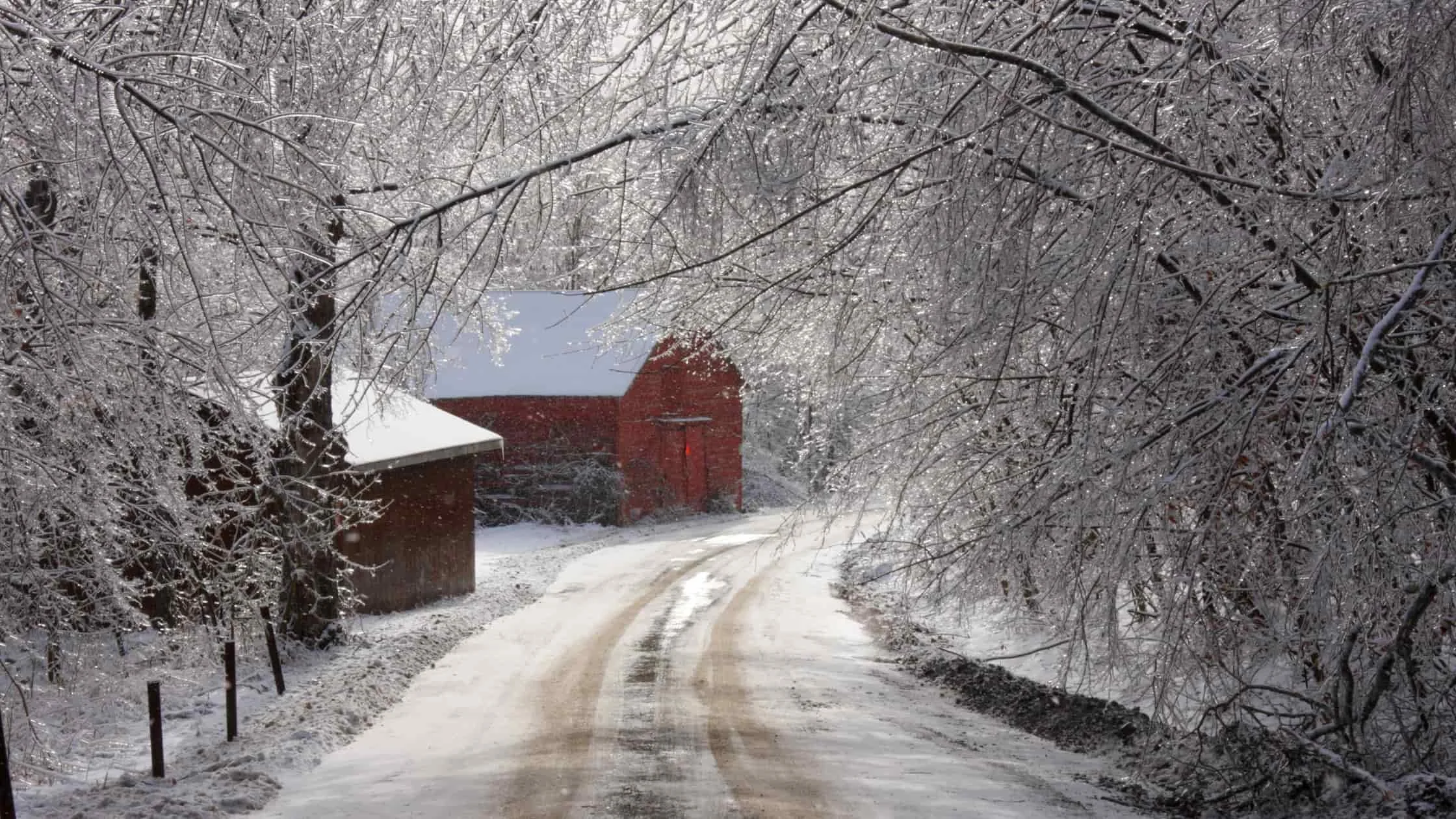
Winter weather doesn’t hit Central Alabama often. But when it does, it can be disruptive, dangerous, and damaging if you’re not prepared. Global weather models are currently forecasting a high-impact winter storm for northern and central Alabama this weekend, including the Tuscaloosa area. Locations north of the Interstate 20 corridor could see a more persistent wintry mix, while areas south of the Tennessee River face an extended period of freezing rain and ice accumulation—a major cause of power outages.
At Toulmin Kitchen & Bath, we spend a lot of time thinking about how homes perform under stress. We’ve compiled this list on how to prepare your home, your family, and your kitchen and bath spaces for winter weather and possible power outages this season.
Getting Ready
A little preparation goes a long way. These simple steps can help you stay safe, comfortable, and connected if winter weather conditions worsen or the power goes out West Central Alabama.
Start an Emergency Supply Checklist
Before the storm arrives, make sure your home is stocked with the basics. You should be able to comfortably shelter in place for at least three days if roads are impassable or power is out.
Your emergency kit should include:
One flashlight per family member
Extra batteries
A first-aid kit
A battery-powered or hand-crank radio
Bottled water (one gallon per person per day)
Non-perishable food items
Keep these supplies in an easy-to-access location, especially if lighting is limited.
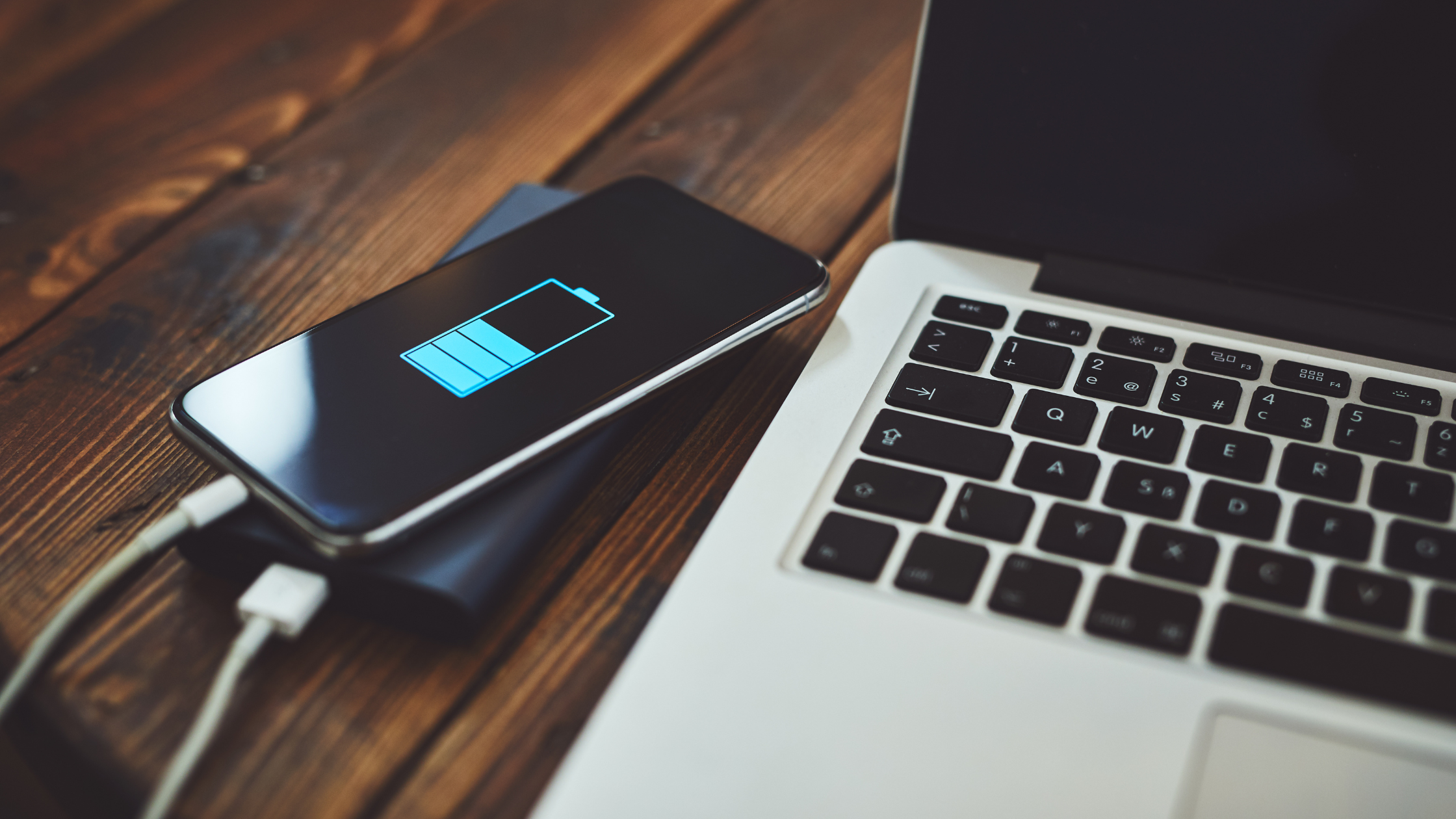
Keep Power Banks Fully Charged
Phones, tablets, and laptops quickly become lifelines during a power outage. Charge all devices ahead of time and keep portable power banks fully charged. Designate one power bank strictly for emergencies so it’s always ready when storms are in the forecast.
Plan Ahead for Medical Needs
If you or a family member relies on medical devices or temperature-sensitive medications:
Ask your provider about battery-operated or manual device options
Confirm how long medications can safely be stored without power
Know who to contact locally if you need assistance during an outage
This planning step is especially important in icy conditions, when travel may be unsafe for extended periods.
Fuel Your Vehicles Early
Ice accumulation can make travel difficult or impossible, and fuel stations may be inaccessible during widespread outages.
Remember to plan ahead by:
Filling gas tanks ahead of the storm
Fully charging electric vehicles before severe weather arrives
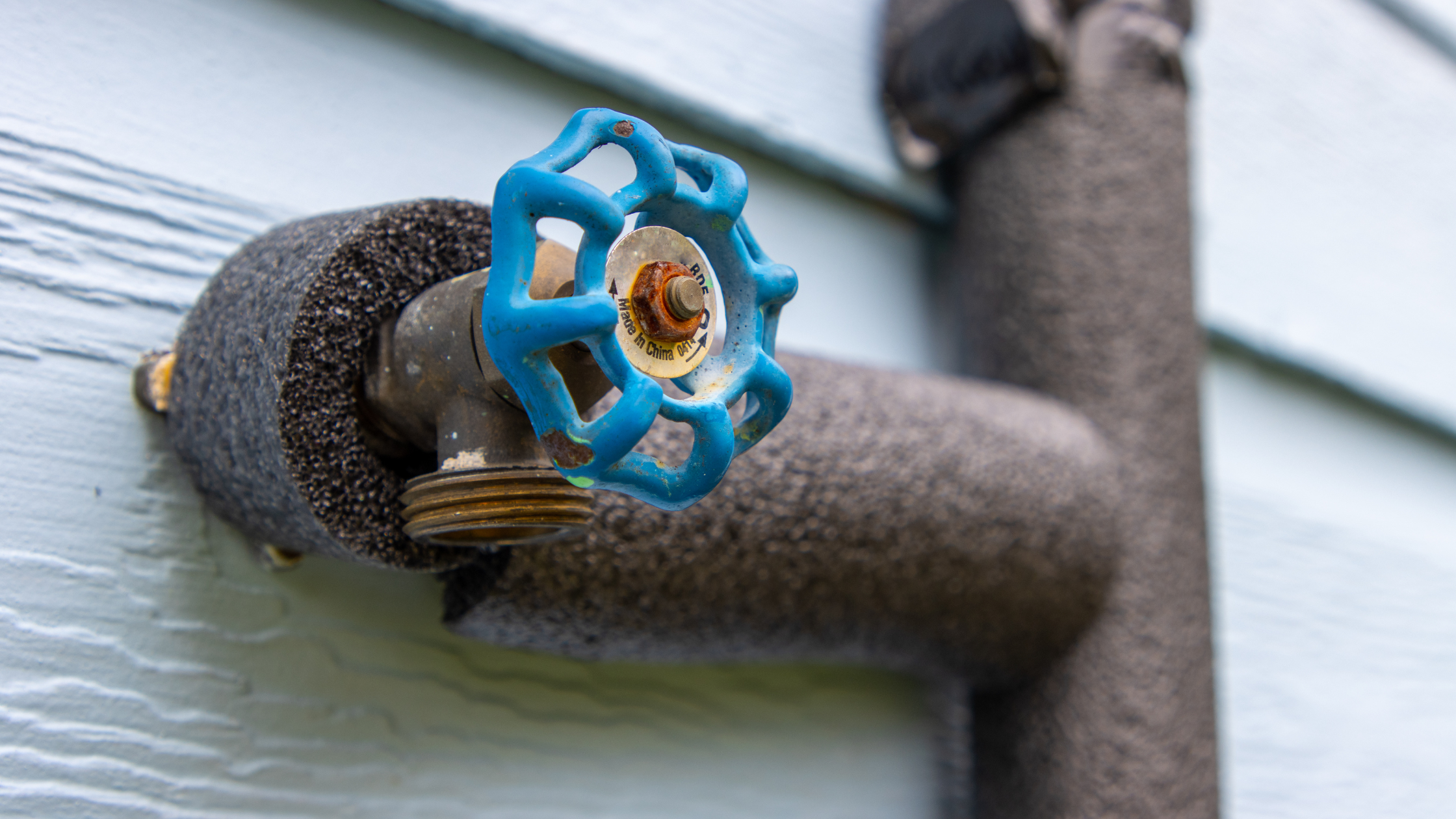
How to Prepare Your Home For a Winter Storm in Alabama
These practical steps can help protect your home and reduce stress if freezing temperatures or power outages occur.
Install Carbon Monoxide Detectors (This Is Critical)
Power outages often lead homeowners to use gas stoves, propane fireplaces, or generators more frequently. This increases the risk of carbon monoxide exposure.
Make sure your home has:
Battery-operated carbon monoxide detectors or
Hard-wired detectors with battery backup
Install them on every level of your home and near sleeping areas.
Generator Safety: What Homeowners Should Know
A generator can make a major difference during an extended power outage, but only if it’s used safely.
Portable propane generators can power lights, refrigerators, and select outlets
Whole-house generators keep systems running seamlessly
Never operate a generator inside your home or garage
Place generators at least 20 feet away from your house, with exhaust directed away from doors and windows
If you’re considering a whole-house generator in the long term, ask your contractor to plan for it during future remodels or renovations.
Protect Your Pipes—Especially Outdoors & in Kitchens and Bathrooms
Freezing temperatures pose one of the biggest risks to kitchens and bathrooms: frozen and burst pipes. Burst pipes can cause significant damage to cabinetry, flooring, and finishes. Taking a few preventive steps now can save you from costly repairs later.
Here’s what we recommend:
Let faucets drip slightly during extreme cold to keep water moving
Open cabinet doors under sinks to allow warm air to circulate around plumbing
Insulate exposed pipes, especially under sinks on exterior walls
Know where your main water shutoff valve is located, just in case
Think About Appliances Before the Power Goes Out
If your kitchen has custom cabinetry or integrated appliances, taking the following precautions helps protect both food and finishes.
Keep refrigerator and freezer doors closed as much as possible
A full freezer can keep food cold for up to 48 hours
Use coolers with ice for essential items if needed
Don’t Overlook Doors and Windows
During a winter storm, doors and windows play a major role in keeping your home warm, dry, and protected from damage. Cold air infiltration not only makes your home uncomfortable during a power outage—it can also increase the risk of frozen pipes in nearby walls.
Before the storm arrives:
Check weatherstripping around exterior doors and replace any worn or missing sections
Lock windows fully to create a tighter seal against cold air
Close blinds or drapery at night to add an extra layer of insulation
Seal visible gaps or cracks around window frames with temporary caulk or weatherproofing tape
Winter weather often highlights how much doors and windows affect overall comfort. At Toulmin Kitchen & Bath, we work with Sierra Pacific Windows and Doors because they’re designed to perform well in a wide range of conditions—from extreme heat to freezing temperatures—while maintaining the home's architectural integrity.
While storm prep focuses on short-term protection, long-term improvements, such as well-built, properly installed windows and doors, can help reduce drafts, protect interior finishes, and support better year-round temperature control.
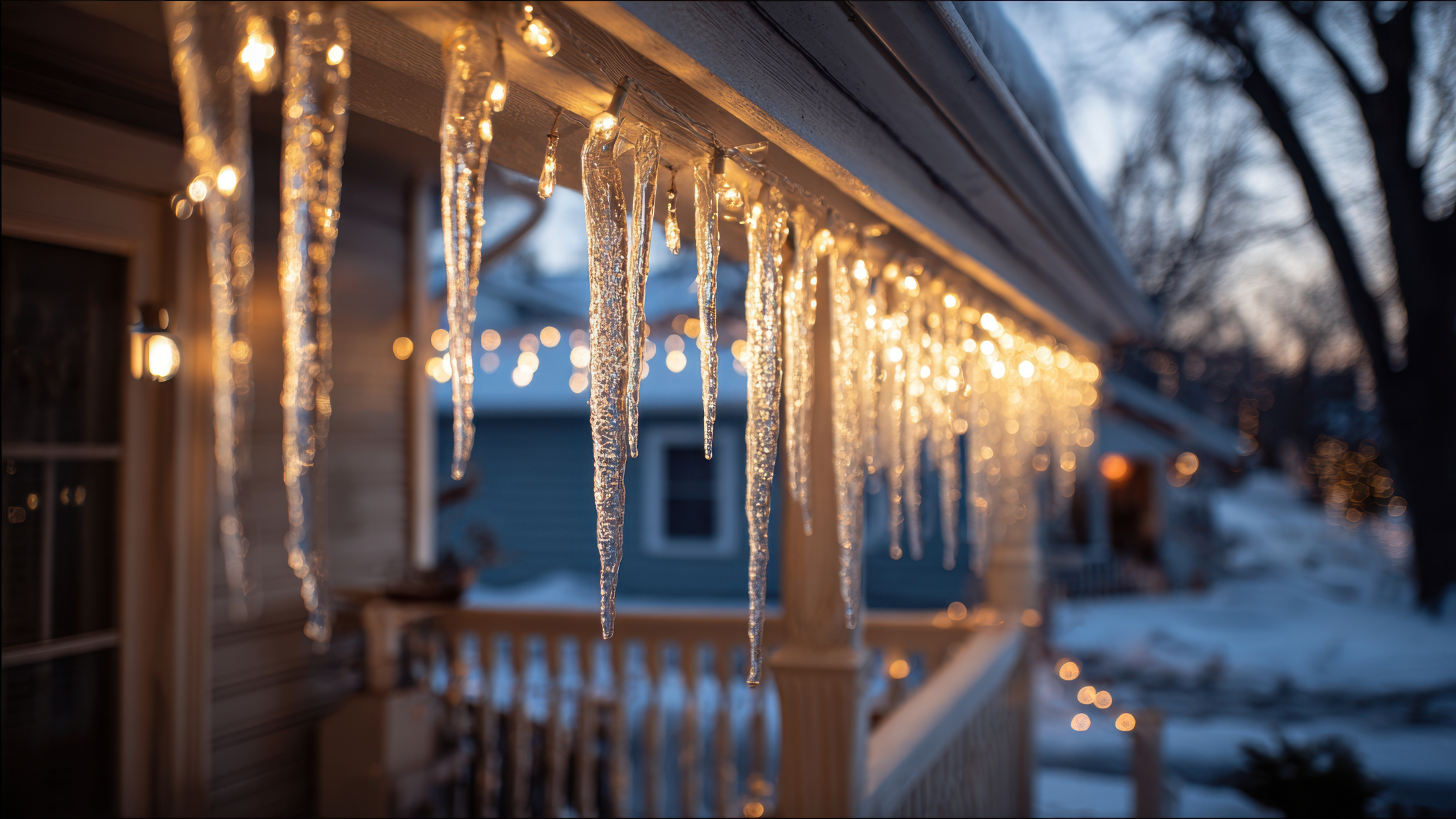
Preparing Your Home for Winter Weather in Central Alabama
Winter storms in Alabama may be rare, but they demand preparation. Protecting your home—especially high-traffic areas like kitchens and bathrooms—helps minimize damage and keep your family safe when conditions are unpredictable.
If you have questions about protecting your home’s plumbing, upgrading materials for durability, or planning long-term improvements that add resilience, our team at Toulmin Kitchen & Bath is always here to help—before and after the storm.
Stay safe, stay warm, and prepare early!
You Might Also Like…
Get inspired with more kitchen and bathroom remodeling ideas from the Toulmin Kitchen & Bath team.