Low E Glass To Inert Argon - Window Glass Energy Efficiency
Energy-Efficient Argon, Krypton, and Low-E Glass Windows Compared
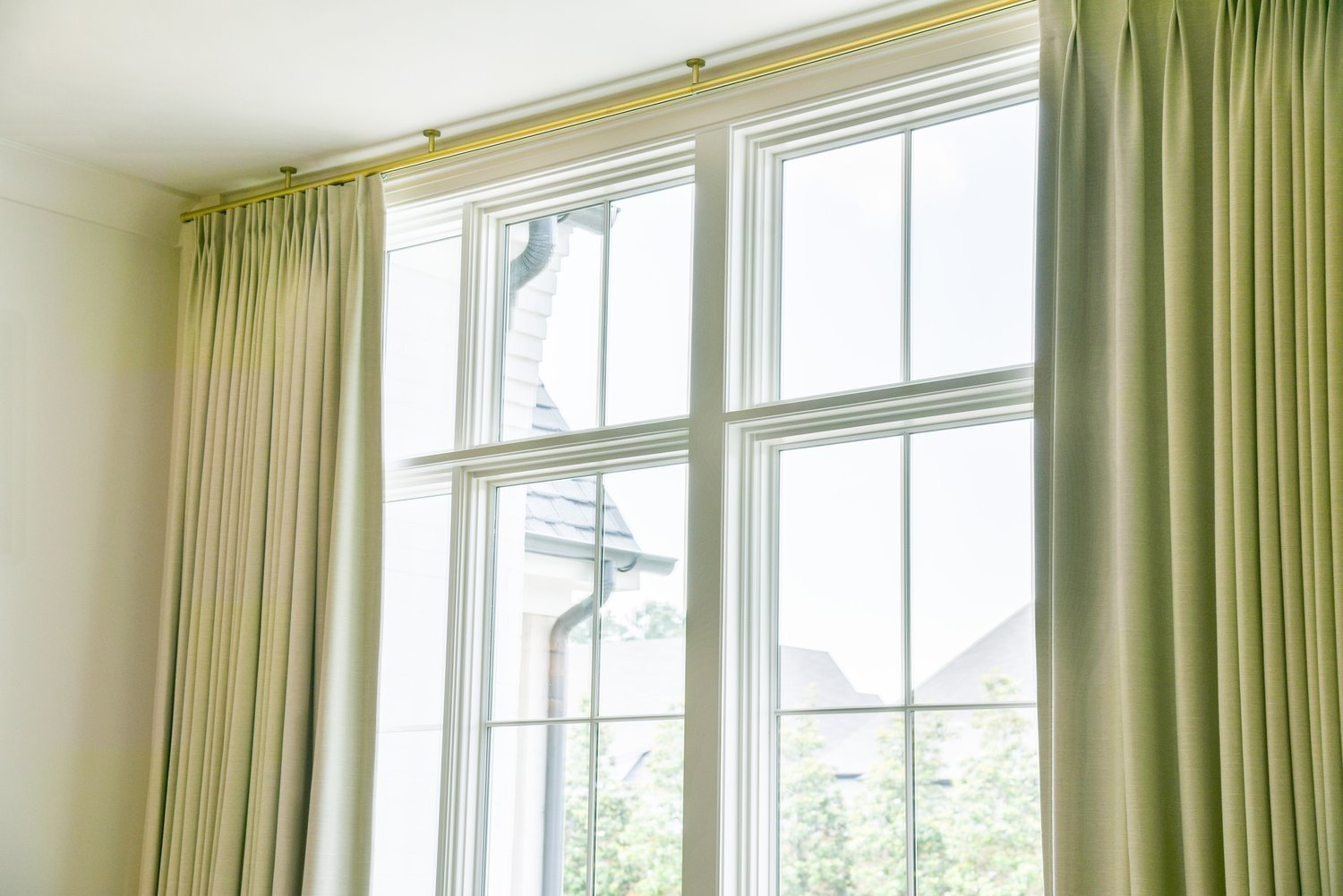
Your home's windows are a major factor affecting energy conservation and your family's comfort. Today, a number of technologies and materials affect how much of the sun's heat enters interior spaces and how well your windows prevent the flow of heating or cooling energy from escaping.
In fact, your windows are some of the most complex building components in your home. They can also be one of the most expensive. Windows are much more than simply an architectural element. They have a major role in your energy consumption. The number of windows in your home, the total area they cover, how they are oriented with regard to the sun, and the composition and construction of the unit can be defining factors for energy efficiency in a modern, high-performance home.
Window Construction and Energy Efficiency
How your windows are constructed has a lot to do with how they perform. Different materials offer different levels of energy efficiency. In terms of components, glazing, the frame, and the spacer are all important factors. Older windows were predominantly made of wood, which offers good thermal protection. Today, alternatives such as aluminum-clad wood, fiberglass, and vinyl are available and offer greater efficiency and are not subject to rot. In terms of energy efficiency, foam-filled fiberglass is best, followed by foam-filled vinyl.
Most older wooden windows are single-glazed, with just one pane of glass. Today, double or triple glazing is the norm. The space between the glass is usually filled with an inert gas, typically argon or krypton. In the 60's and 70s, double-paned windows had air between the panes. Today, these are called “clear double glazed” windows. The addition of inert gases between the panes significantly improves energy efficiency.
U-Value and Energy Efficiency
The rate of heat loss is measured by the U-factor, or U-value. The lower the U-value, the more resistant a window is to heat loss and the better its insulating efficiency. High-performance double-pane windows have U-factors of about .30 or lower, while triple-pane windows' U-factor can be as low as .15.
The U-value of a window helps determine the best window for your climate. In Alabama, where Toulmin Kitchen and Bath is located, we generally don't experience severe cold weather. Here it's more about keeping conditioned air in the home. Using low U-value windows keeps heat out and cool air in. If you're not sure about U-value, Energy Star provides recommended U-values for every climate.
Argon, Krypton, and Low E Glass
Along with solid construction, manufacturers improve the efficiency of double and triple pane windows by filling the space between the glass with inert gases, which are odorless, colorless, and non-toxic, improving energy efficiency. The two most common are argon and krypton. In addition, low-e glass, which uses a thin coating of nearly invisible metal, also improves efficiency. Combining low-e glass with gas can keep hot air out (low-e glass protects against heat as well as blocking UVA and UVB rays), providing the greatest efficiency.
Let's compare argon, krypton, and low-e glass windows to help you understand the differences and choose the best option for your home.
Argon
Argon is the cheaper option, and its thermal conductivity is two-thirds that of air, making it a cost-effective option. The optimal space between panes of glass is 1/2”. Any larger or smaller negatively affects its insulating properties. Argon is a more efficient barrier in large spaces.
Krypton
Krypton is more expensive and, conversely, better at filling smaller spaces, so it is better suited for use in triple-pane windows. Krypton has better insulating properties and better reduces heat transfer in energy-efficient windows. It's also used in applications where total unit glazing must be minimized.
Low E Glazing
Low E coating is a thin, nearly invisible metallic substance used to lower a window's U-value. Low-E windows also reflect the sun's heat away from the home, helping keep indoor air cooler. If you live in a sunny climate, Low-E glass can filter the sun's UVA and UVB rays, preventing fading of fabrics in your home, such as drapes, furniture, and carpets.
Windows are available that use combinations of all three of the elements. For example, double pane/argon filled/Low E glass windows, or a combination argon/krypton filled triple panes. If you're still unsure of which windows are best for your home, check the Energy Star website, or just contact Toulmin Kitchen and Bath. Our experts are always happy to answer any questions.
Contact us to schedule a call. Looking for replacement windows? We're experts at choosing and installing the perfect windows to meet the year-round demands of the Alabama climate.
About Toulmin Kitchen & Bath Design - We're West Alabama's award-winning, premier kitchen and bath showroom. We're experts who are known for a design-build process that makes the construction process stress-free. Contact us to schedule an appointment for a design consultation.
Get More Design Inspiration for Your Home!